Roof Cleaning & Moss Removal in Swindon
Local roofers for repairs, new roofs & flat roofing. Free surveys, fixed written quotes, tidy workmanship.
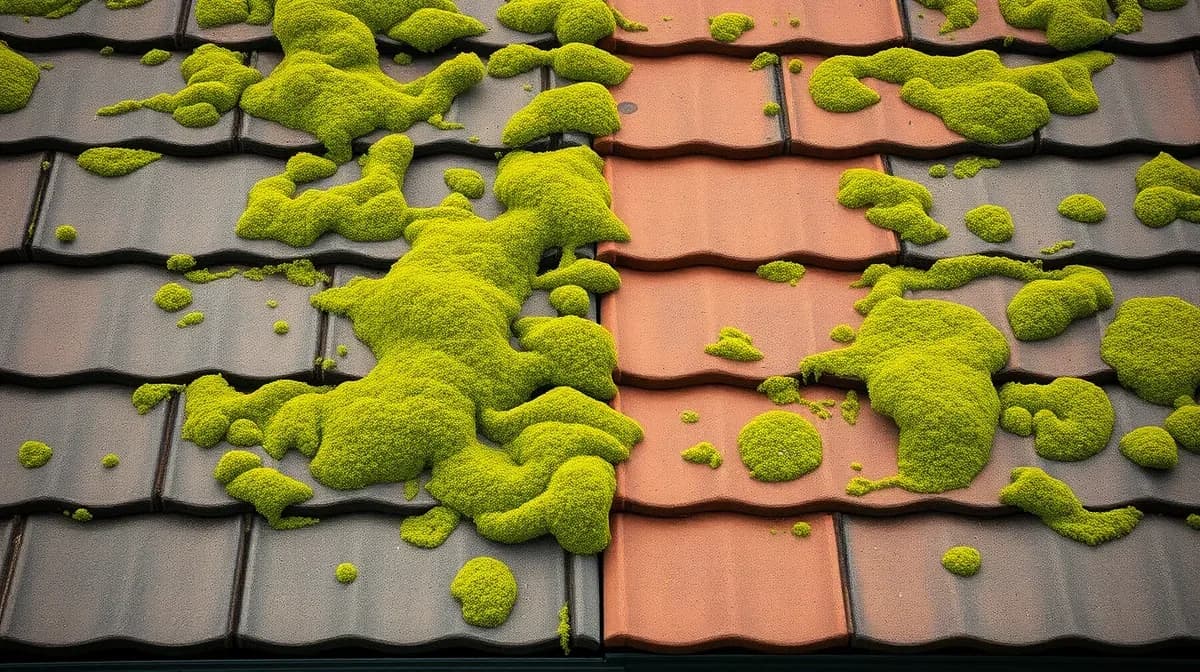
Swindon Roofing Company removes moss and cleans roofs across Swindon. Moss isn't just cosmetic: thick growth holds water against the tiles, freezes and expands in winter, lifts tile edges, and sheds by the bucketload into gutters — a good proportion of the blocked-gutter and damp-wall calls we get trace straight up to a mossy north slope.
The method matters more than the promise. We remove moss by hand-scraping and brushing from roof ladders or access equipment, then treat with a biocide to kill regrowth at the root. What we don't do is pressure-wash roofs — ever.
How we clean roofs
Manual moss removal
Hand-scraped and brushed tile by tile — slower than a jet wash and infinitely kinder to 60-year-old surfaces.
Biocide treatment
A soft-wash treatment kills spores and lichen after clearing, typically holding regrowth off for 3–5 years.
Gutters done with it
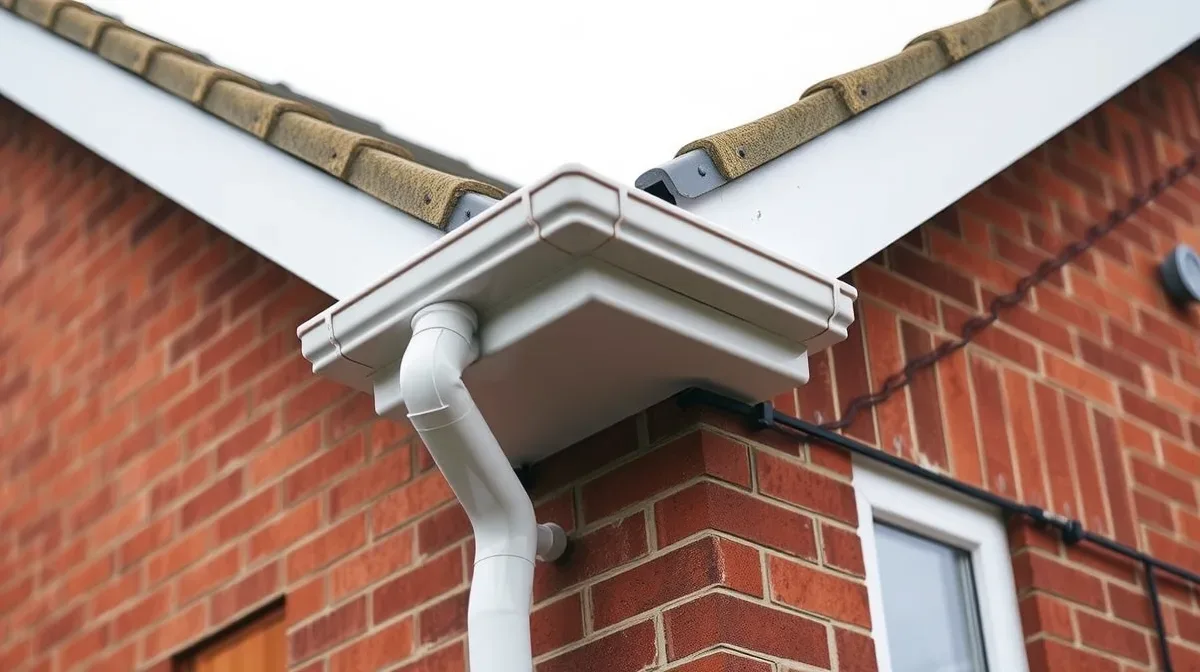
Everything scraped off a roof heads for the gutters — clearing them is included, not an extra.
Inspection thrown in
We're on your roof anyway: slipped tiles, cracked flaunching and tired flashing get photographed and reported while we're there.
What is actually growing on your roof
Three different things get called moss, and they need different answers. True moss is the thick green cushion that builds up in the tile laps and along the courses — it holds water, it is heavy when wet, and it is the one worth removing. Lichen is the flat, crusty, grey-green patch bonded hard to the tile face; it does very little harm and taking it off aggressively does more damage than leaving it. Algae is the black or dark green staining that looks like dirt, common on north elevations, and is almost entirely cosmetic.
The distinction matters because it decides whether the job is worth doing at all. A roof with heavy cushion moss in the laps is holding water against the tile through every freeze-thaw cycle and filling the gutters every autumn. A roof with lichen spots and some algae staining is a roof that looks tired and is performing perfectly well, and we will say so rather than sell you a clean.
Why it is always the north slope
Almost every roof we clean around Swindon is far worse on one elevation, and it is the one facing north or north-east. That slope gets the least direct sun, dries slowest after rain, and holds the damp film that spores need to establish. On a semi with a simple front-and-back roof, the difference between the two sides is frequently the difference between needing a clean and not.
Overhanging trees compound it by cutting the light further and dropping organic debris that feeds the growth, which is why the worst roofs are almost invariably the ones with a mature tree to the north or west of them.
Roof cleaning costs in Swindon
| Property | Typical price |
|---|---|
| Terrace / small semi | £400 – £700 |
| 3-bed semi | £550 – £950 |
| Detached | £800 – £1,500 |
Manual removal + biocide treatment + gutter clearing. Heavy growth and difficult access priced at survey.
Roof cleaning in the villages around Swindon
The villages get it worse than the town, and there is a reason beyond bad luck. Older properties on narrower plots sit closer to mature hedging and established trees than a 1980s estate house does, and shade plus leaf fall is precisely the combination moss wants. Anywhere with a churchyard yew or a line of limes on the boundary tends to have a roof to match.
Purton, Wroughton, Cricklade and Highworth all produce this pattern regularly, and Royal Wootton Bassett's older streets do the same. The work is identical to a town job — hand scraping, biocide, gutters cleared — but access is more often the awkward part, with tighter frontages and less room to set a tower.
Purton
Older cottages and hedged plots on the village edges, where shading rather than roof age is doing the damage.
Wroughton
North-facing slopes under the downs escarpment, slow to dry through the winter months.
Cricklade
Low-lying and close to the Thames headwaters, so damp lingers longer than the tile age alone would explain.
Highworth
Exposed hilltop position, but heavy tree cover through the older streets around the square.
Royal Wootton Bassett
Mixed stock, and it is nearly always the pre-war end of town rather than the estates.
Why never pressure washing?
Concrete tiles carry a factory surface that pressure washing strips, leaving them porous, faster to re-moss and shorter-lived; it also drives water under tiles and into lofts, and the walking involved breaks more tiles than it cleans. Companies jet-washing roofs are trading your roof's lifespan for their afternoon. Manual removal plus biocide achieves the same visual result and adds years rather than subtracting them — it's slower, it costs similar, and it's the only version we'll put our name to.
Frequently asked questions
Ready for a free, no-obligation quote?
Call 01793 569397